Keynote Speaker 1
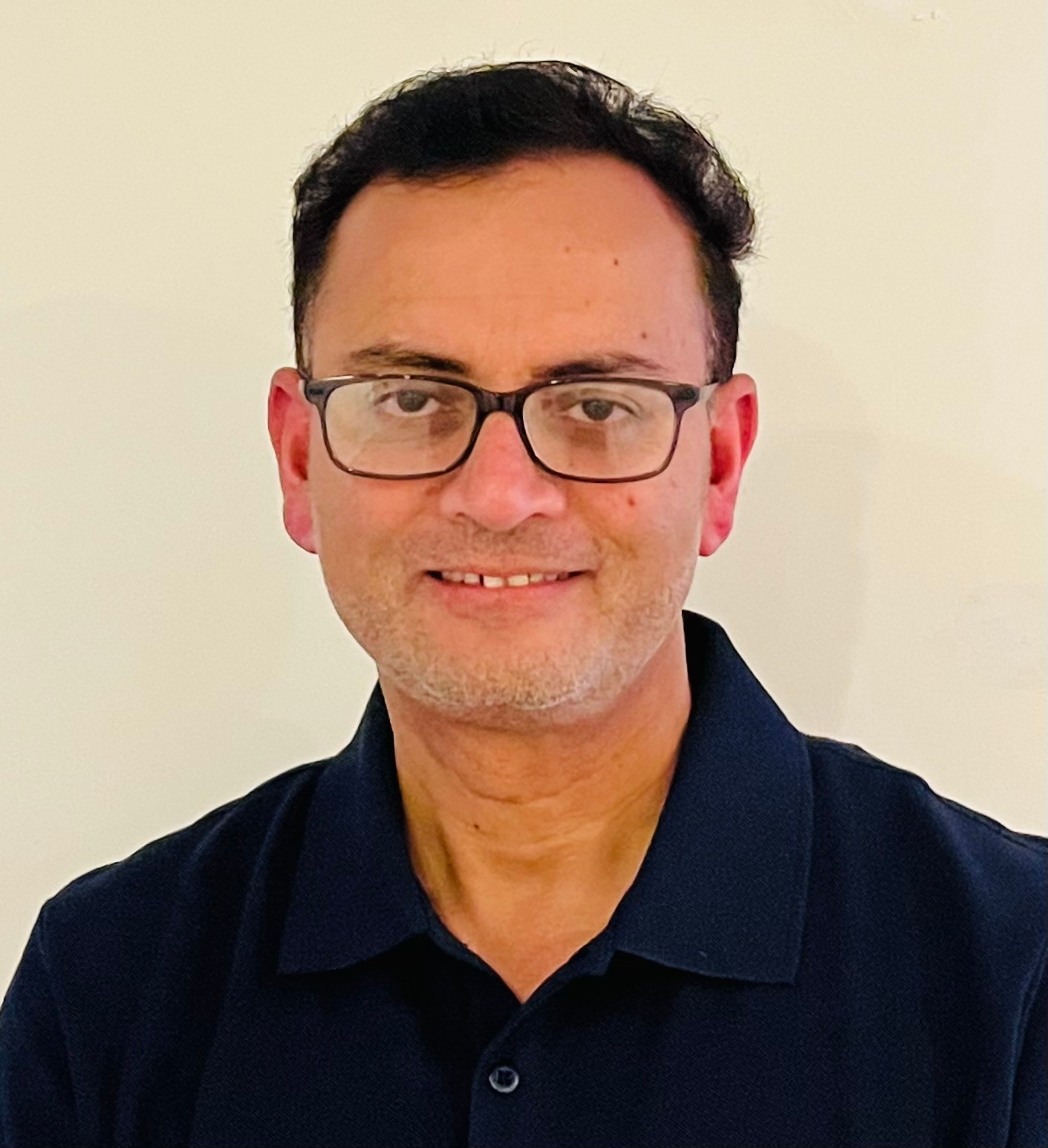
Dr. Mohammad S. Islam
IEEE Fellow
Chief Scientist, HL Mechatronics, Auburn, Michigan, USA
Talk Title: Electric Machines for Redundant Safety Critical Applications
Abstract
As autonomous driving, x-by-wire systems, and electric vehicles push toward higher levels of autonomy, redundant machine architectures are becoming essential to safety-critical drivetrain design. Permanent magnet (PM) synchronous motors with multiple 3-phase winding configurations stand out as strong candidates, offering high torque density, low torque ripple, and low acoustic noise. The machine behavior under both normal and fault conditions must be fully understood to ensure fault-tolerant operation with reliable limp-home capability due to the presence of PM excitation. For high-volume, cost- and package-sensitive applications, the goal is to achieve this redundancy within a single mechanical housing — avoiding the added space and cost of duplicate hardware. This talk explores how slot/pole combinations and winding configurations shape a machine’s fault-tolerant capability in dual or multiple 3-phase designs, and how drive architecture determines whether a machine delivers half- or full-load performance under fault conditions. It will also cover practical guidance for selecting winding types, performance targets, and application requirements, along with ECU and sensor redundancy strategies that depict the fault-tolerant picture at the system level.
Keynote Speaker 2
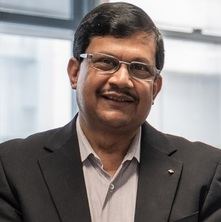
Dr. Tapan Saha
IEEE Fellow
Professor, Leader of Power, Energy & Control Engineering,
Leader of UQ Solar and Leader of UQ Industry 4.0 Energy TestLab, School of Electrical Engineering and Computer Science, the University of Queensland (UQ), Brisbane, Australia
Talk Title: Energy transition in a renewable energy-dominated electricity grid
Abstract
When a power system is dominated by variable renewable energy generators (e.g. solar and wind) to meet CO2 reduction targets, fossil fuel based synchronous machines are expected to be retired from the network. The high penetration of renewables and the removal of synchronous machines imposes some challenges of maintaining the adequate level of system strength and inertia. Synchronous condensers, battery storage and pumped hydro storage are capable of strengthening the power system security. This presentation will cover some of our recent research findings from both distribution and transmission networks and will also provide some general perspective.
Keynote Speaker 3
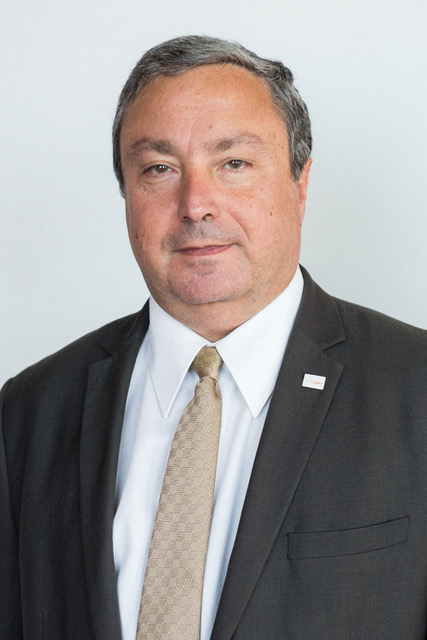
Dr. Georges Zissis, FIEEE
Professor and Head of Light and matter Research Team, Université de Toulouse, France
President of IEEE Industrial Application Society for 2019-20
Talk Title: Smart Lighting Systems and associated Energy Efficiency
Abstract
During the last decade, SSLs-Solid-State Lighting based on components like LEDs, OLEDs and LDs, challenges conventional technologies. LED has turned into a game changer beating conventional technologies in all aspects. Today, SSLs proceed to replacing of all legacy technologies: a revolution in the lighting market. Artificial light production absorbs around 2900 TWh corresponding to 13,7% of the world’s electricity annual production. The massive adoption of LED technology during the next years can contribute to harness electricity use for lighting, up to 4% by 2030. As LED technology matures, maximizing the energy savings from connected SSL systems will become increasingly dependent on successful integration into the built environment. Today, we are witnessing a transition from the conventional “analogue” lighting technologies to “digital” lighting. Intelligent lighting will become the backbone for smart homes and smart cities. Industry has coined a new term “integrative lighting” to draw renewed attention to its primary effort to be successful in meeting society’s needs. However, “rebound effect”, known also as “Jevons paradox”, can blur this march forward. One potential solution to avoid that negative effect consists in switching to smart integrative lighting driven by both “application efficiency” and quality of light. This technological revolution shall comply with the SSL2 concept, which consists of sustainable smart lighting systems based on solid-state lighting devices, might stop that harmful effect. Smart, and affordable integrative lighting that incorporates light quality is driven by “appliance efficiency.” This merely suggests that the “Right Light” should be provided by next-generation lighting systems with the best levels of quality and efficiency when and where it is needed.


 _
_  _
_